


Book Online
Motorhome Tyres
Motorhome and campervan tyres
Motorhomes are significantly heavier than standard vans and often spend long periods parked between trips. They also carry water tanks, bikes, luggage and living equipment, placing much greater demands on their tyres.
Unlike standard commercial van tyres, many motorhome tyres are specifically engineered to cope with these unique conditions. Their reinforced construction, increased load capacity and ability to operate at higher pressures help deliver greater stability, improved durability and enhanced safety.
- The European Tyre & Rim Technical Organisation (ETRTO) has recommended CP tyres for many heavier motorhomes since 2003
Benefits of CP rated tyres
- Motorhome specific
- Reinforced construction
- Heavy load support
- Outstanding stability
- Storage resistant
- Greater peace of mind
What does the CP mark mean?
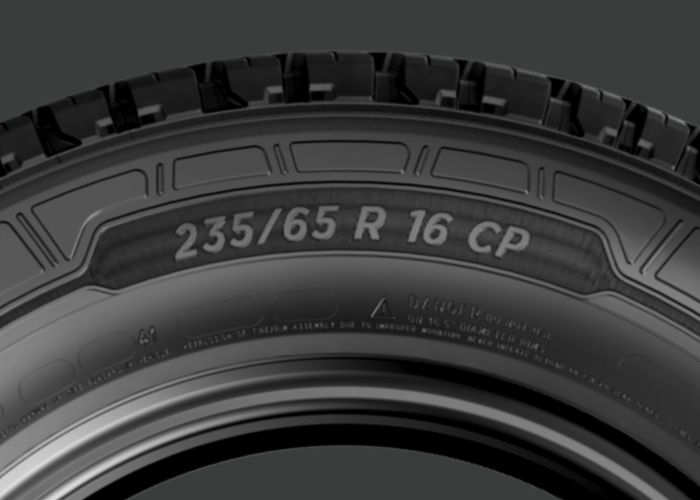
The small CP marking on the tyre sidewall tells you the tyre has been specifically designed for motorhomes and camper vehicles.
CP RATED TYRES
Motorhome and campervan tyres
Our hand-picked range of CP rated tyres are specifically designed for motorhomes and campervans, delivering exceptional safety, stability and peace of mind.
- CP rated for motorhomes
Designed for heavier loads and higher pressures
- Improved stability
Enhanced handling and safer braking
- Built for touring
Long lasting performance trip after trip
- Peace of mind
Trusted by motorhome drivers across Europe
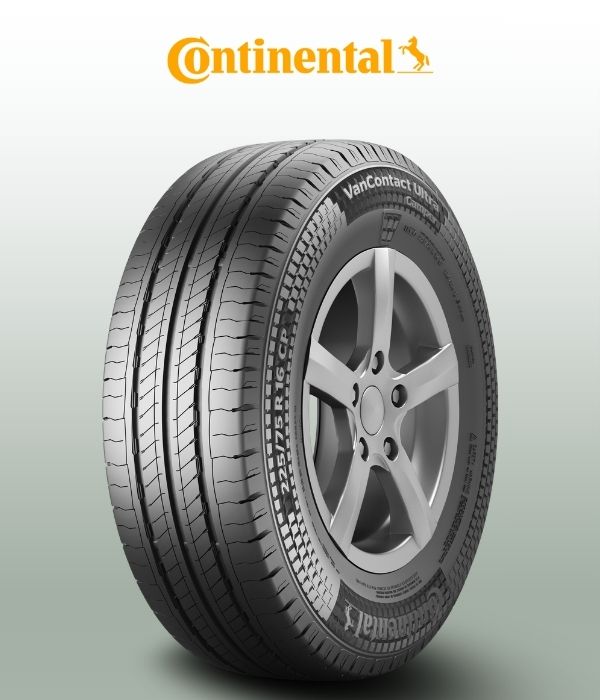
Continental VanContact Camper
- CP rated
- Outstanding Wet Grip
- Comfortable touring
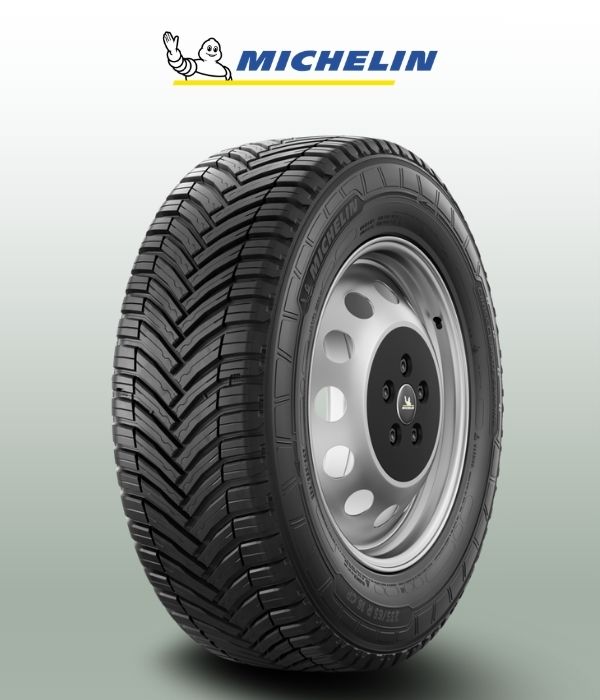
Michelin CrossClimate Camping
- All Season performance
- Built for motorhomes and CP rated
- Long lasting performance
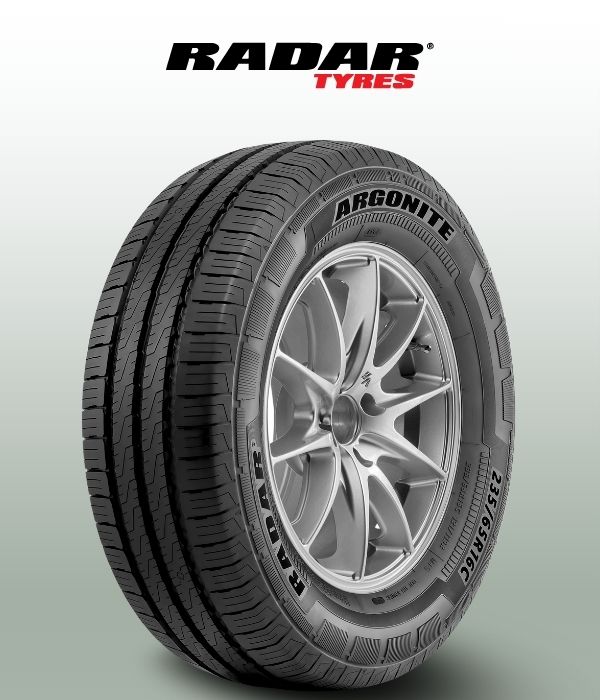
Radar Argonite Camping
- CP rated
- Outstanding value
- Confident wet grip
FREQUENTLY ASKED QUESTIONS
Everything you need to know about motorhome tyres
Need a little more information? Here are the questions we’re commonly asked about motorhome and campervan tyres.
So, are motorhome tyres really that different to standard van tyres? It’s a question we get asked a lot. Whilst it’s completely legal to fit a commercial van tyre to a motorhome, providing it’s the correct size and load rating, you won’t get all the benefits a specialist camping tyre will give you.
Van tyres will be a cheaper option and you could expect to pay around 15% more for a motorhome tyre of the same brand.
If you do decide to opt for a premium camping tyre, you can expect enhanced safety, driving comfort, longevity and fuel economy. Camping tyres have tougher sidewalls which not only makes them better at running at the high pressure needed for a fully loaded motorhome, but also gives them more rigidity for a safer, more stable drive and better handling. Motorhome tyre manufacturers such as Continental and Michelin also design the tyre tread specifically to ensure your motorhome can deal with wet roads (and campsites) country lanes and resistant to heavy impacts.
Motorhomes and caravans aren’t used as regularly as cars and so the tyres tend to last longer. As with car tyres, the UK minimum legal tread depth is 1.6mm but we would recommend you replace any tyres below 3 mm.
Many motorhome owners have to replace tyres due to age before they get low on tread. The British Tyre Manufacturers’ Association recommends that caravan tyres are replaced every 5 years, regardless of how much tread they have. They also state that any tyre over 7 years old should not be used on a motorhome. You can check the age of your tyres but looking at the DOT code which is stamped on the side of the tyres and indicates the month and year of manufacture.
There are a few factors to take into consideration when deciding if your motorhome tyres need replacing. Your tyres must not only be legal but safe. A motorhome is a very heavy vehicle and you need to make sure you’ll have sufficient grip and that your tyres won’t let you down. Checking before you head off on a trip could save you valuable time and money if you find you need to replace a tyre whilst on holiday.
Tyre Tread
The minimum legal tread depth for a tyre is 1.6 mm however we’d always recommend changing any tyre that has less than 3 mm of tread. The less tread you have, the longer the stopping distance and chances of skidding, especially in wet conditions.
Tyre Age
Check the dot code on the sidewall of each tyre to find out how old it is. Any tyre older than 5-6 years old needs replacing. Cracks on the sidewall and in the tread of the tyre are a sign of ageing and perishing rubber and show the tyre needs replacing.
Tyre Condition
As motorhome’s are often parked or in storage for most of the year the tyre rubber often deteriorates before the tyre tread wears down. If this has happened you may notice cracks along the sidewalls of the tyres. This damage isn’t preventable and is caused by exposure to air and sunlight over a prolonged period of time. If you notice these cracks on your motorhome tyres it’s a sign they’re ready to be replaced.
Sidewall bulges are another common problem on caravan or motorhome tyres. This is because of overloading the tyre and the increased likelihood of knocking the tyre on a kerb or hard object.
Looking after your motorhome tyres will help keep them in good condition and prolong their life.
Tyre pressure
Ensuring you have the correct tyre pressures for your motorhome will ensure safe handling, prevent premature tyre wear and save on the cost of fuel. Checking tyre pressures when the tyres are cold is really important for accurate readings.
Motorhome load limits
The weight carried by a motorhome tyres is much higher than that on a car. If you overload your motorhome or driver faster than necessary it will have an effect on tyre condition, safety and longevity. Making sure any load weight is distributed evenly will help the tyres wear evenly and prevent handling problems.
Motorhome storage
UV exposure can cause premature tyre wear and so, if it’s possible, it’s best to store your motorhome away from direct sunlight.
TPMS
Fitting a tyre pressure monitoring system to your motorhome is a good idea. The TPMS system will alert you to any loss of pressure during a journey.